

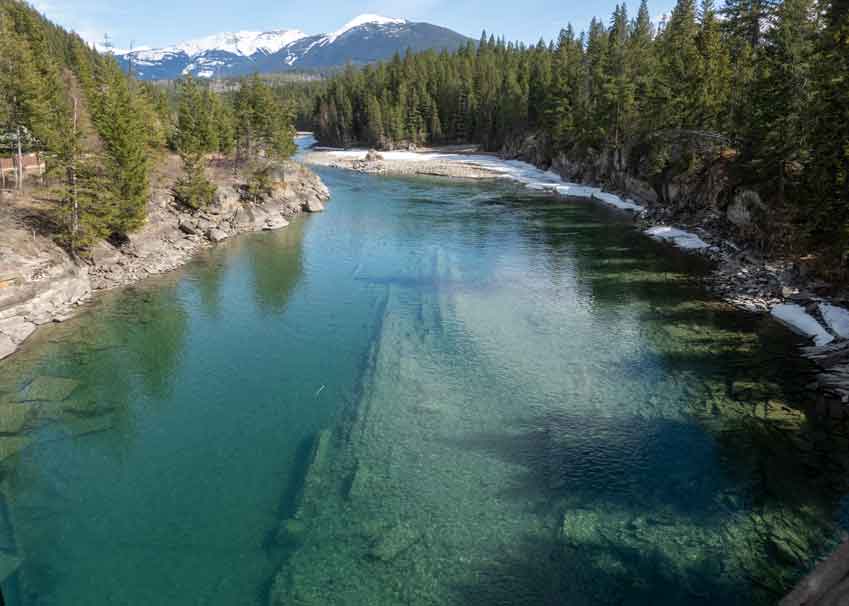
Tete Jaune Cache is a quaint rural area
Tete Jaune Cache history. Tete Jaune Cache is located at the junction of highway 5 and highway 16, midway through the most popular travel route in the Canadian Rocky Mountains from Calgary Alberta to Vancouver BC. Tete Jaune Cache is a quaint rural area and the site of an important abandoned historic town in British Columbia, Canada. Its population is approximately 500. It is located on the Fraser River in the Robson Valley at the intersection of Yellowhead Highways 5 and 16. Surrounded by the Rocky Mountains, Cariboo Mountains and Monashee Mountains in the heart of British Columbia. Tete Jaune means “yellow head” in French, and comes from the nickname given to Pierre Bostonais, a trapper of the early 1800’s who had blonde hair.
Tete Jaune Cache is located 18 km north of Valemount, BC, 101 km west of Jasper, Alberta, 241 km east of Prince George, BC, and 332 km north of Kamloops, BC.
This historical place is just 13 km away from the world heritage site Mount Robson Provincial Park, featuring the highest peak in the Canadian Rocky Mountains Mt Robson. A spectacular natural scenery that invites to hiking trails, waterfalls, crystal clear mountain lakes and the legendary Fraser River. This is Canada pure, fantastic possibilities to see wildlife like bears, bald eagle, moose and much more. During the fall you can enjoy the salmon spawning grounds with the huge Chinook salmon.
A huge variety of adventure activities gives you the opportunity to explore this amazing area. Go for a tour into the wilderness, white water rafting, gentle rafting, fishing, horseback riding or golfing. Or enjoy a typical harsh winter holiday in the Rocky Mountains with the possibility of cross country skiing, dog-sledding, ice fishing, snow shoeing or hiking. Come for the nature and stay for the adventure!
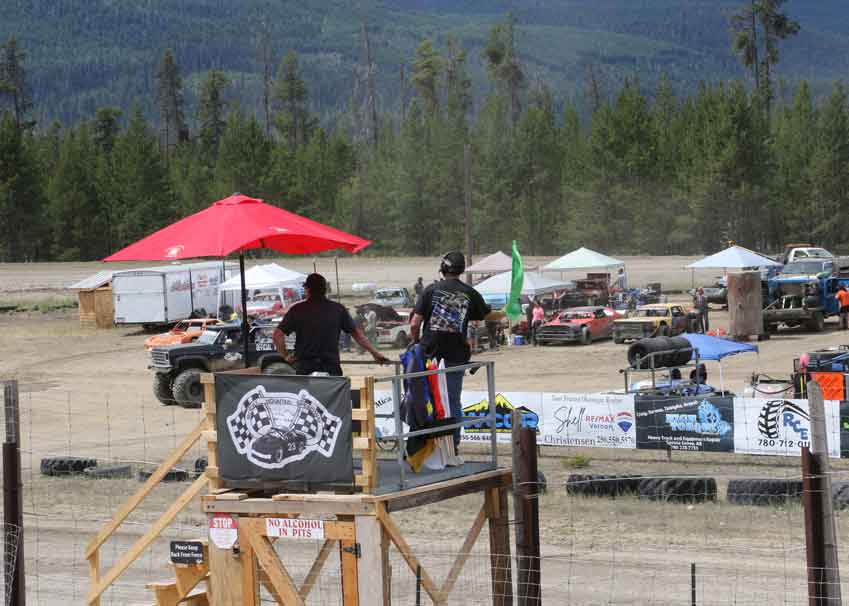
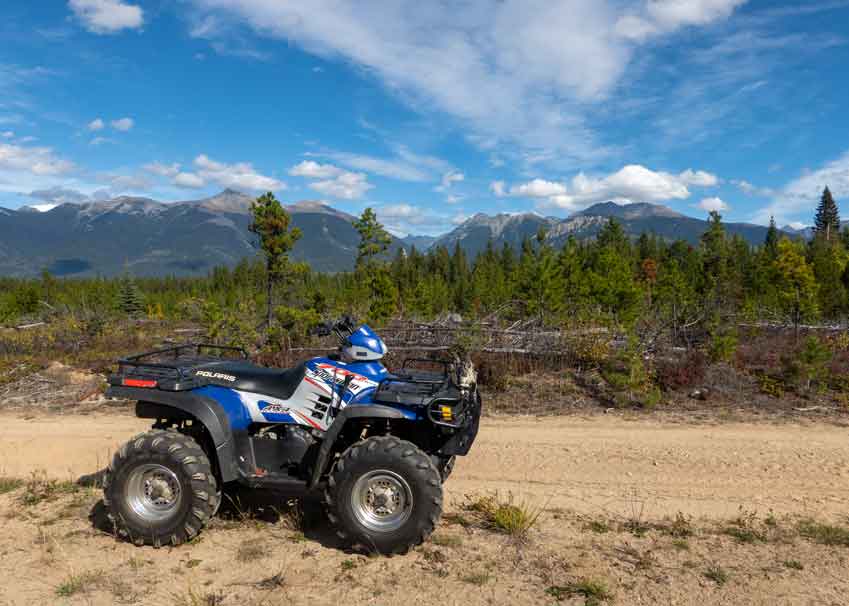
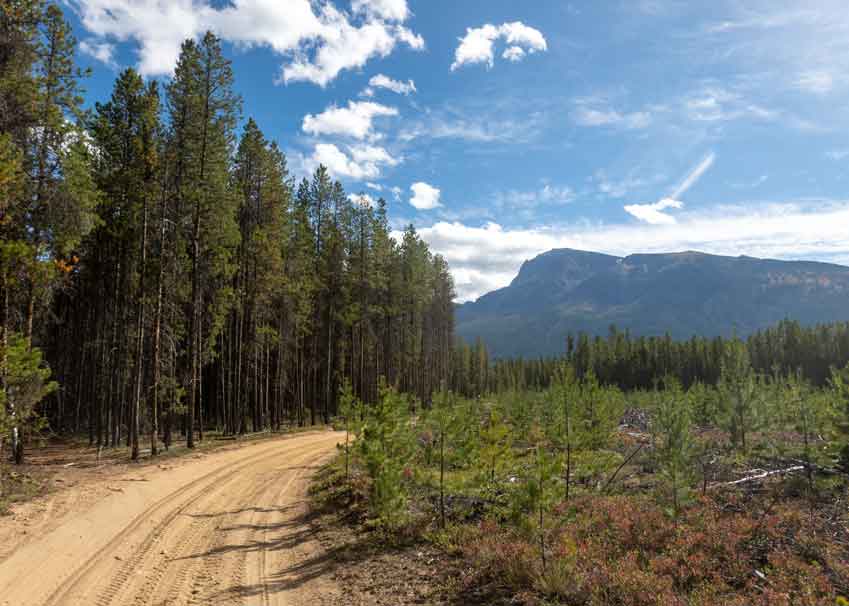
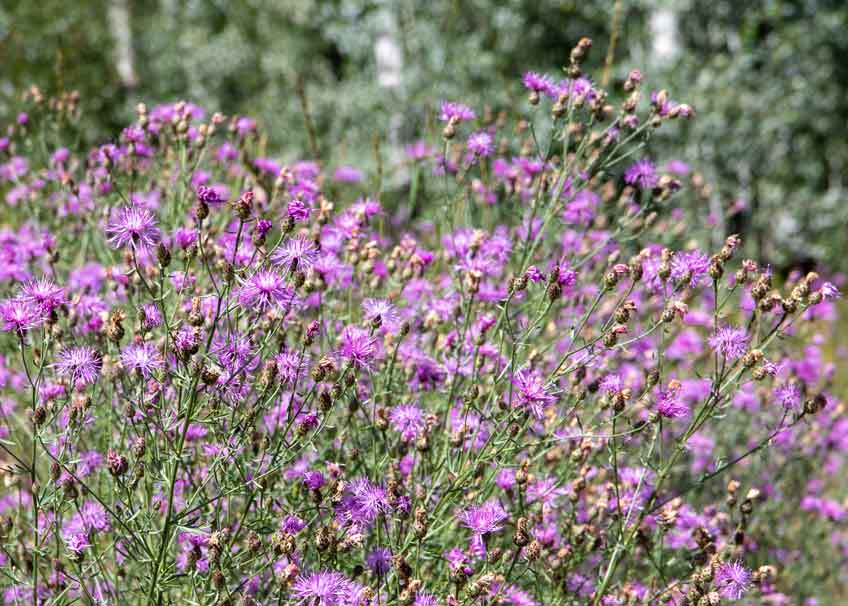
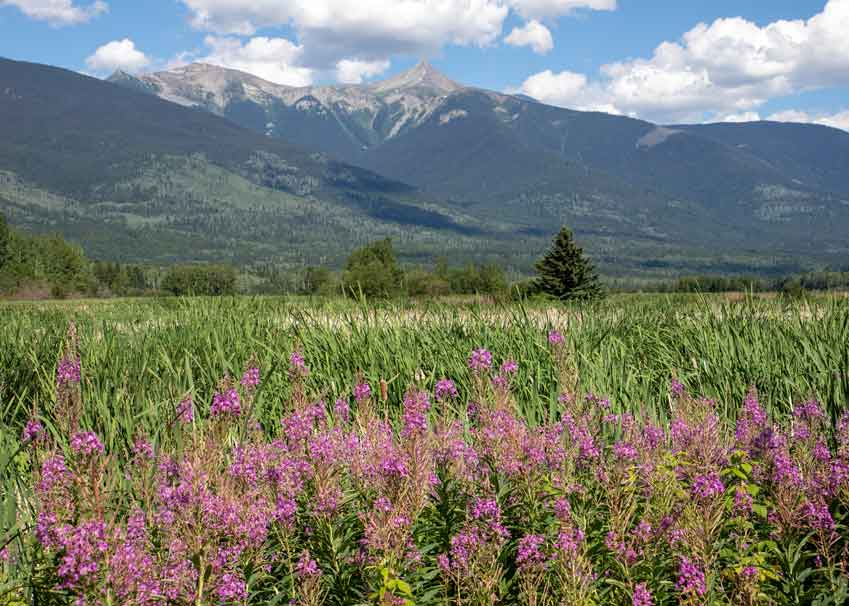
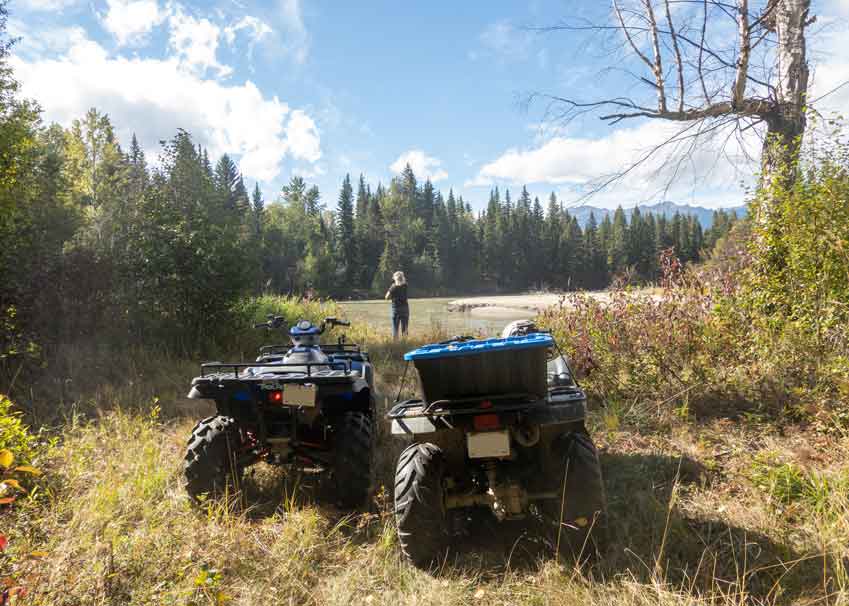

Jackman Flats
5 minutes from our lodging you can explore Jackman Flats Provincial Park, in the vicinity of Tete Jaune Cache BC. Jackman Flats Provincial Park has been created out of ice and wind. Some 11,000 years ago, at the end of the last ice age, winds from the trench of the...
